01
Genuine choice
People should know what is possible, what things cost and what they can decide for themselves. Funeral directing shouldn't mean being presented with a set of unquestionable traditions.

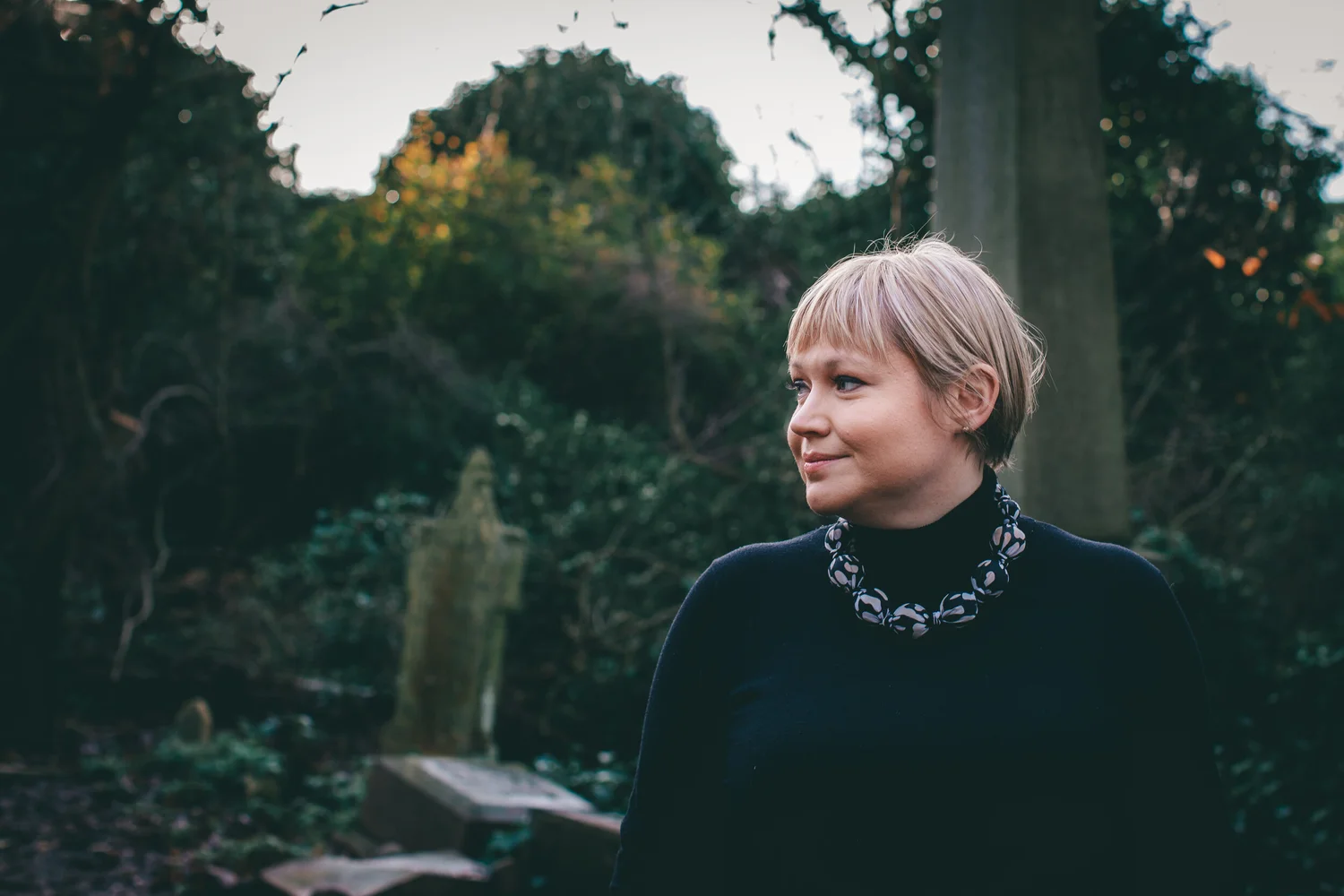
Founder of Poetic Endings · Funeral director · Writer
I founded Poetic Endings because I thought funerals could be better.
Before I became a funeral director, I worked in the creative industries. I hadn't grown up around funerals or inherited a funeral business. I found my way here after my grandad died, and I've spent the years since asking what a funeral is really for and how we can do it well.
Poetic Endings
Founder & funeral director
Writing
Co-author, We All Know How This Ends
Industry
Former editor, Good Funeral Guide
Speaking
TEDxKing’s College London
How it began
The first funeral I ever attended was my grandad's. I was 25. It was an unfamiliar experience, but what struck me was how little the funeral seemed to reflect the person I knew.
At the time I was working in fashion and creative strategy. I decided to change direction and train as a funeral celebrant. That meant travelling across London to lead ceremonies, working with many different funeral directors and seeing, close up, what made a difference to people.
Eventually I founded Poetic Endings. I wanted to create a funeral service that took the practical responsibilities seriously, but didn't assume that every funeral should follow the same formula.
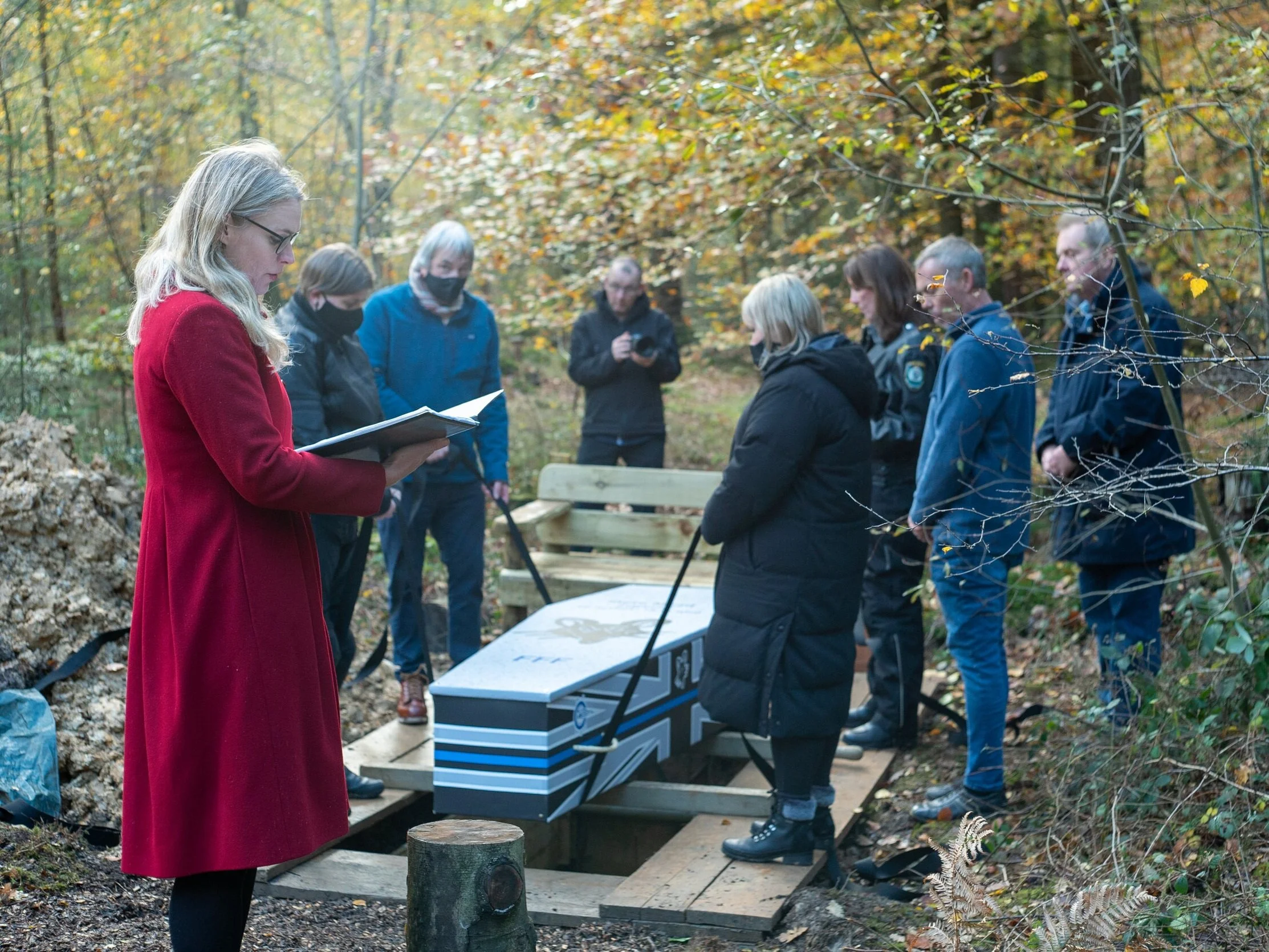
Today our funeral home is in Forest Hill and we arrange funerals throughout London. Some are traditional church services. Others take place in woodland, at a crematorium or in an entirely different setting. Sometimes the best thing we can help someone arrange is something very simple.
Read my interview in The Guardian →“In the event of my death, I give you permission to do whatever you want and need to do.”
My own funeral wishes, as described in an interview with Funeral Guide. I came to this after years of helping other people arrange funerals.
At Poetic Endings
I'm interested in funerals that make sense to the people arranging them. That's not the same as making every funeral unusual, or filling a ceremony with personal touches for the sake of it.
01
People should know what is possible, what things cost and what they can decide for themselves. Funeral directing shouldn't mean being presented with a set of unquestionable traditions.
02
The arrangements, the care of the person who has died and the details of the day matter just as much as the ceremony. Imagination isn't a substitute for doing the job properly.
03
A funeral can involve faith, music, poetry, quiet, laughter or none of those things. We listen first, then help people decide what is right for them.
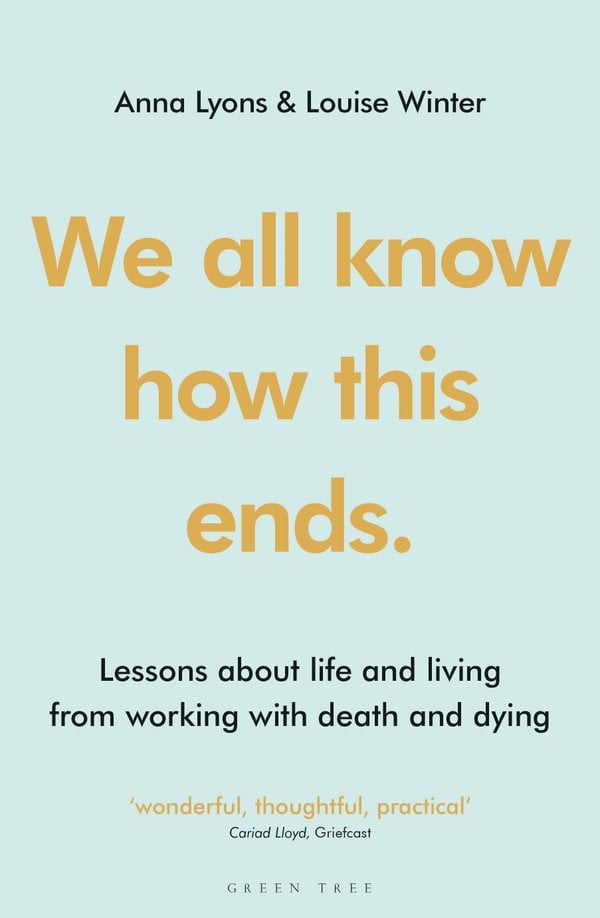
The book · Bloomsbury · 2021
Anna Lyons & Louise Winter
I wrote We All Know How This Ends with Anna Lyons, an end-of-life doula and my collaborator on Life. Death. Whatever.
It's about death and dying, but it's also about living: the conversations we avoid, the assumptions we make, and what happens when we start speaking more openly about mortality.
Our experiences working with people at the end of life and after a death informed the book. So did the questions people asked us — and those they didn't know they were allowed to ask.
In print
I've written about funerals, death and how we live with the knowledge that life ends. Here are three pieces that give a better sense of my thinking.
The Guardian · 2019 · Opinion
Why a thoughtful funeral is about much more than choosing something different from a catalogue.
Read the article →British Vogue · 2021 · With Anna Lyons
Writing about death, connection and care during the pandemic, from our different perspectives.
Read the article →The Guardian · 2017 · Interview
An early account of how I found my way into funeral directing and why the way we arrange funerals matters.
Read the interview →TEDxKing's College London · 2017
My TEDx talk asks what might change if we remembered that our time together is finite. Not in a morbid way, but as a way of taking ordinary life a little less for granted.
I've also contributed to conversations about funerals and death on BBC London, BBC Radio 4 and BBC News, as well as in other interviews and events.
Watch the TEDx talk →Beyond Poetic Endings
Funeral directing isn't only about the funerals we arrange. I also care about the information people receive, what they're charged and the standards the profession is expected to meet.
I was editor of the Good Funeral Guide, an independent source of information and comment about funerals and funeral directing.
Visit the Good Funeral Guide →With Anna Lyons I co-founded Life. Death. Whatever., a festival and wider project making space for less guarded conversations about mortality.
Explore the project →Poetic Endings submitted evidence and proposals to the Competition and Markets Authority's funeral-sector investigation, particularly on transparency, choice and care.
Read our published response →Outside work
I'm interested in poetry, food, fashion and the natural world. I love growing roses, spending time with my cat Bella, and being in the mountains. There is more to life than funerals — although the job has probably made me more aware of that than ever.
Poetic Endings · Forest Hill · London
If you'd like to talk about arranging a funeral, planning ahead or visiting our funeral home in Forest Hill, you're welcome to contact Poetic Endings. The team arranges funerals throughout London.