Cremation, burial or natural burial?
Would you prefer a burial, cremation or natural burial? Are there environmental, cultural or religious considerations that matter to you? Do you have any thoughts about what should happen to your ashes?

Our funerals are our emotional legacy. They really matter. They can help the people who survive us begin to work out how to live their lives without us.
Planning ahead doesn't have to mean deciding every last detail. Sometimes, the kindest thing you can leave behind is a little guidance.
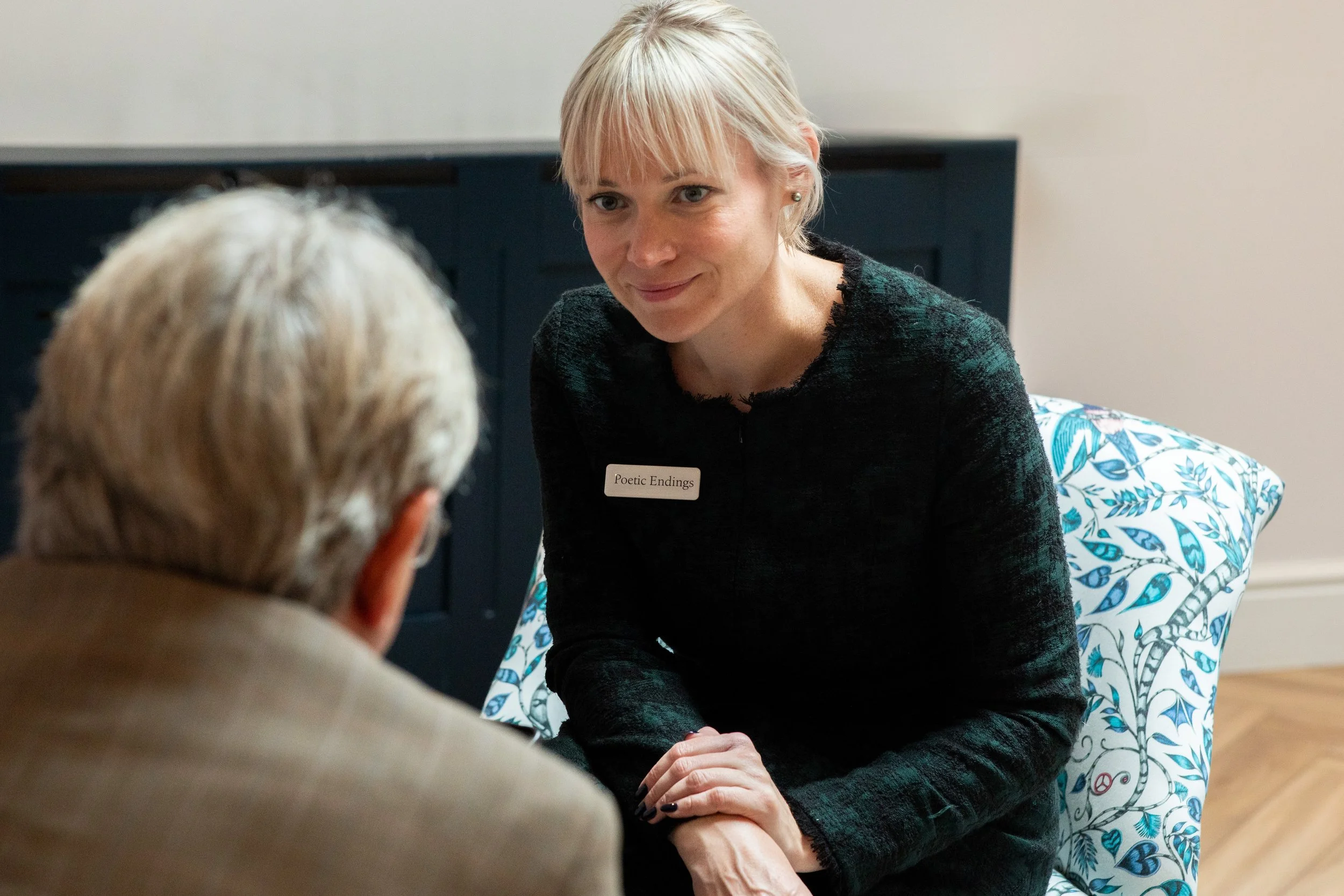
When someone dies without leaving any guidance, the people arranging their funeral can be left wondering what they would have wanted. Burial or cremation? Something traditional or something more personal? Music, flowers, a particular place?
Equally, very detailed instructions can sometimes create pressure. A funeral also belongs to the people who will be there, remembering you and finding their way through your death.
We believe the most helpful approach is to share your wishes and values, while leaving enough room for the people you care about to make a farewell their own.
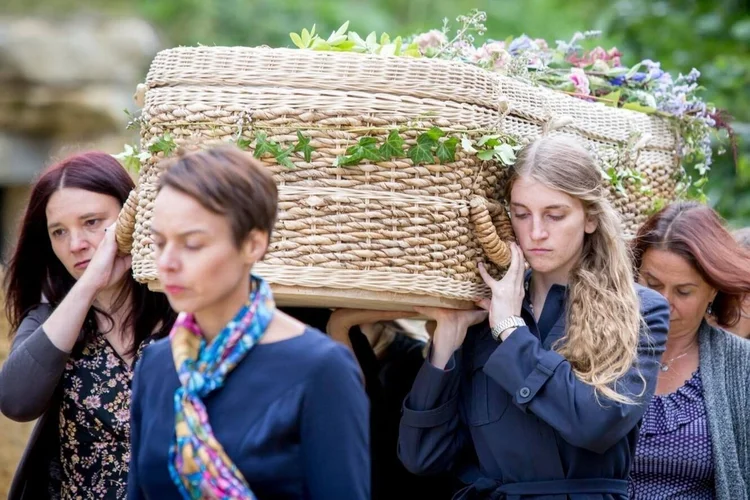
From the setting to the smallest personal detail, a funeral can reflect the life, personality and values of the person who has died.
You can choose to be very specific about what matters to you, or leave space for others to make those choices later.
You might have strong feelings about some things and none at all about others. These questions are simply somewhere to start.
Would you prefer a burial, cremation or natural burial? Are there environmental, cultural or religious considerations that matter to you? Do you have any thoughts about what should happen to your ashes?
Perhaps you imagine a traditional ceremony, a relaxed gathering, something intimate or no ceremony at all. It could be solemn, joyful, unconventional or a mixture of many things.
Explore funeral options →A funeral doesn't have to take place in a church or crematorium chapel. It could be held in a garden, a woodland burial ground, a favourite venue or somewhere that holds a particular meaning.
Explore funeral venues →Music, poetry, readings, photographs, flowers, the coffin, the people taking part. Small details can say a great deal about a life. You don't have to choose everything.
Discover your choices →Sometimes it's easier to begin with what you don't want: a religious ceremony, formal clothing, a traditional hearse or a particular kind of gathering. These thoughts can be just as helpful as a detailed plan.
You could leave a letter, a recording, a favourite photograph or a few words about what matters to you. You may also wish to name the people you'd like to be involved in making arrangements.
A funeral is about honouring the person who has died, but it also needs to be meaningful for those who are living. You can leave guidance without taking away their freedom to make choices.
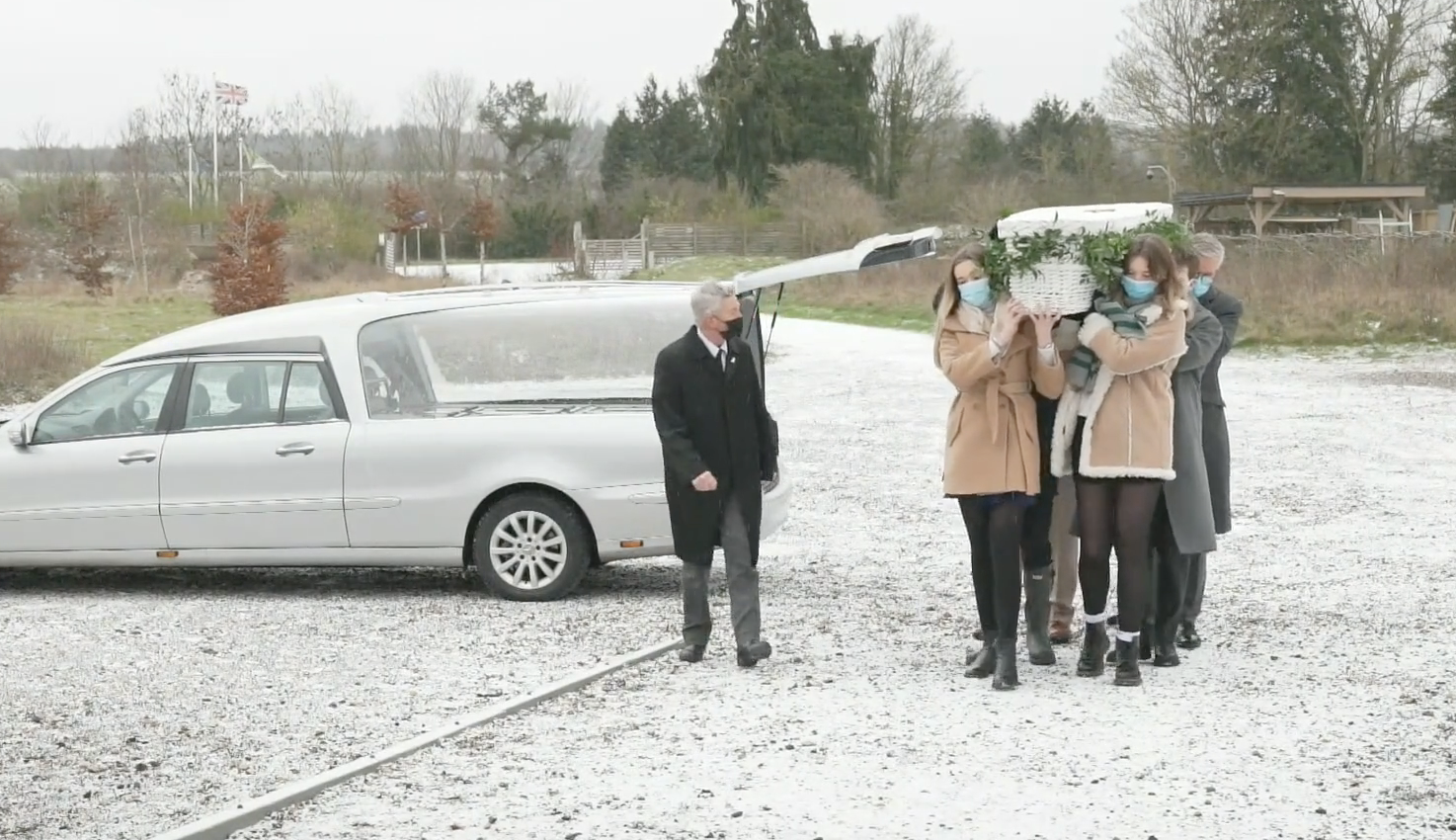
Before she died, Michelle shared what mattered most to her. Her funeral took place at Clandon Wood on a snowy February morning, with beautiful flowers, favourite music and the people she loved.
Her ideas gave everyone a starting point for a farewell that was both personal and meaningful.
Read Michelle's story →Our free My Funeral Preferences document helps you record what matters to you, including burial or cremation, environmental choices, music and readings, how you would like to be cared for, flowers, and who should be involved.
It isn't a checklist you have to complete or a plan that must be followed. It's a gentle way to begin thinking, to record what matters to you and to start conversations with the people closest to you.
Fill in as much or as little as you like. Keep a copy somewhere accessible and let someone you trust know where to find it. You can change your wishes whenever you want.
Free nine-page PDF. Fill it in digitally or print it and write by hand.
Writing your wishes down is useful. Making sure the right people know about them matters just as much.
You don't need to answer every question. A few personal preferences, or even the things you'd rather avoid, can be enough.
Tell someone you trust about your wishes and where you've kept the document. Talking things through can be more reassuring than leaving instructions alone.
Life changes, and so can your ideas. Your funeral wishes don't have to be fixed or final. Come back to them whenever you like.
There are a few useful distinctions between recording your wishes, making legal arrangements and paying for a funeral.
In England and Wales, funeral wishes are generally not legally binding, even if you include them in your will. That's one reason why it's so important to talk with the people likely to arrange your funeral and to let them know where your wishes are recorded.
No. Recording your funeral wishes is different from purchasing a prepaid funeral plan. You can explore the possibilities and express your preferences without buying anything or making a financial commitment.
If you'd like to understand what different arrangements might cost, you can explore our funeral cost examples →.
You can mention your wishes in your will, but wills are sometimes read after funeral arrangements have begun. Keeping a separate, accessible copy and speaking to the people responsible is often more useful. For questions about wills or executors, it's sensible to speak to a solicitor.
That's completely fine. You can begin by thinking about what you value, what you'd prefer to avoid and whether there are decisions you'd happily leave to others. You don't need to arrive at a finished plan.
Yes. We can help you explore what is possible, explain the arrangements and costs, and discuss what planning ahead with Poetic Endings might involve. If you have particular wishes, we can talk about how they might be carried out. Get in touch with us →
If you'd like to explore further, these independent resources are thoughtful places to start.